
Introduction
Healthy hair is often seen as a reflection of overall self-care and confidence. Whether your hair is long, short, curly, straight, thick, or fine, maintaining its health requires consistency and the right habits. Many women struggle with common concerns such as hair fall, dryness, dandruff, split ends, frizz, and lack of shine.
A well-planned hair care routine for women can help address these issues while improving the overall appearance and strength of the hair. The key is understanding your hair type, choosing suitable products, and following healthy practices that nourish both the scalp and hair strands.
This comprehensive guide covers everything women need to know about maintaining healthy hair throughout the year.
Why Hair Care Matters
Hair is exposed to multiple stressors every day. Pollution, UV rays, heat styling tools, chemical treatments, and poor nutrition can all affect hair quality. Without proper care, hair may become weak, brittle, and prone to breakage.
Regular hair maintenance offers several benefits:
- Improves hair strength and elasticity
- Reduces breakage and split ends
- Promotes a healthier scalp
- Enhances shine and smoothness
- Supports healthy hair growth
- Helps maintain natural moisture balance
Investing time in hair care can produce long-term results that improve both appearance and confidence.
Understanding Your Hair Type
Before creating an effective routine, it is important to identify your hair type.
| Hair Type | Characteristics | Common Concerns |
|---|---|---|
| Straight Hair | Smooth and shiny | Oily scalp |
| Wavy Hair | Slight natural texture | Frizz |
| Curly Hair | Defined curls | Dryness |
| Coily Hair | Tight curls or coils | Breakage and shrinkage |
| Fine Hair | Thin strands | Lack of volume |
| Thick Hair | Dense strands | Difficult maintenance |
Knowing your hair type helps you choose products and treatments that deliver better results.
Essential Daily Hair Care Habits
Healthy hair begins with small daily practices that protect the scalp and strands.
Brush Hair Gently
Avoid aggressive brushing, especially when hair is wet. Use a wide-tooth comb or detangling brush to reduce breakage.
Protect Hair from Heat
Frequent use of straighteners, curling irons, and blow dryers can damage the hair cuticle. Always use a heat protectant before styling.
Stay Hydrated
Water plays an important role in maintaining scalp health. Proper hydration helps prevent dryness and supports healthy hair growth.
Eat Nutrient-Rich Foods
Hair requires vitamins and minerals to stay healthy. Include foods rich in:
- Protein
- Iron
- Zinc
- Biotin
- Vitamin D
- Omega-3 fatty acids
The Ideal Morning Hair Routine
Starting the day with proper hair care can make a significant difference.
Step 1: Assess Hair Condition
Check if your hair feels dry, oily, or tangled. This helps determine the products needed for the day.
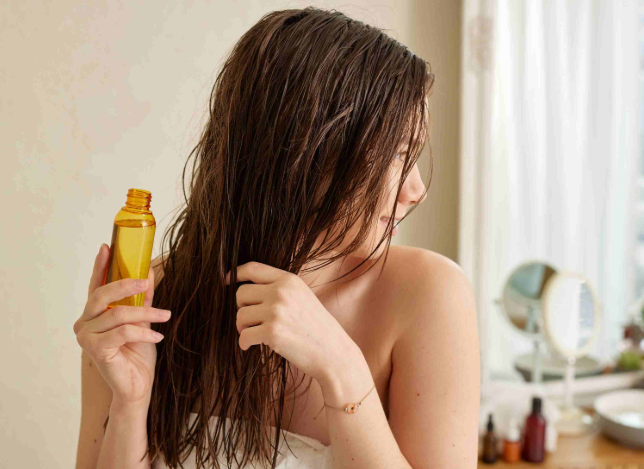
Step 2: Apply a Lightweight Serum
Hair serum helps control frizz and adds shine without weighing the hair down.
Step 3: Style Carefully
Choose protective hairstyles that reduce tension on the scalp.
Step 4: Shield Against Environmental Damage
Use hats or scarves when spending extended time outdoors.
These simple habits form the foundation of a successful hair care routine for women and help maintain healthy-looking hair throughout the day.
Weekly Hair Washing Guide
Washing frequency depends on hair type and scalp condition.
| Hair Type | Recommended Wash Frequency |
|---|---|
| Oily Hair | Every 1–2 days |
| Normal Hair | 2–3 times weekly |
| Dry Hair | 1–2 times weekly |
| Curly Hair | Once or twice weekly |
| Coily Hair | Once weekly |
Overwashing can strip natural oils, while underwashing may lead to product buildup.
Choosing the Right Shampoo
Not all shampoos are created equal. Select one based on your specific needs.
For Dry Hair
Look for moisturizing ingredients such as:
- Argan oil
- Shea butter
- Aloe vera
For Oily Hair
Choose clarifying shampoos that remove excess oil without overdrying.
For Damaged Hair
Protein-rich shampoos can help strengthen weak strands.
A customized hair care routine for women should always include a shampoo that matches individual hair concerns.
The Importance of Conditioner
Conditioner helps restore moisture and smooth the hair cuticle.
Benefits of Conditioning
- Reduces tangles
- Improves softness
- Prevents dryness
- Adds shine
- Minimizes breakage
Apply conditioner mainly to the mid-lengths and ends rather than directly on the scalp.
Deep Conditioning Treatments
Deep conditioning provides intensive nourishment that regular conditioners may not deliver.
Recommended Frequency
- Dry hair: Once or twice weekly
- Normal hair: Once weekly
- Oily hair: Every two weeks
Popular ingredients include coconut oil, avocado oil, honey, and keratin.
Hair Oiling: Does It Really Help?
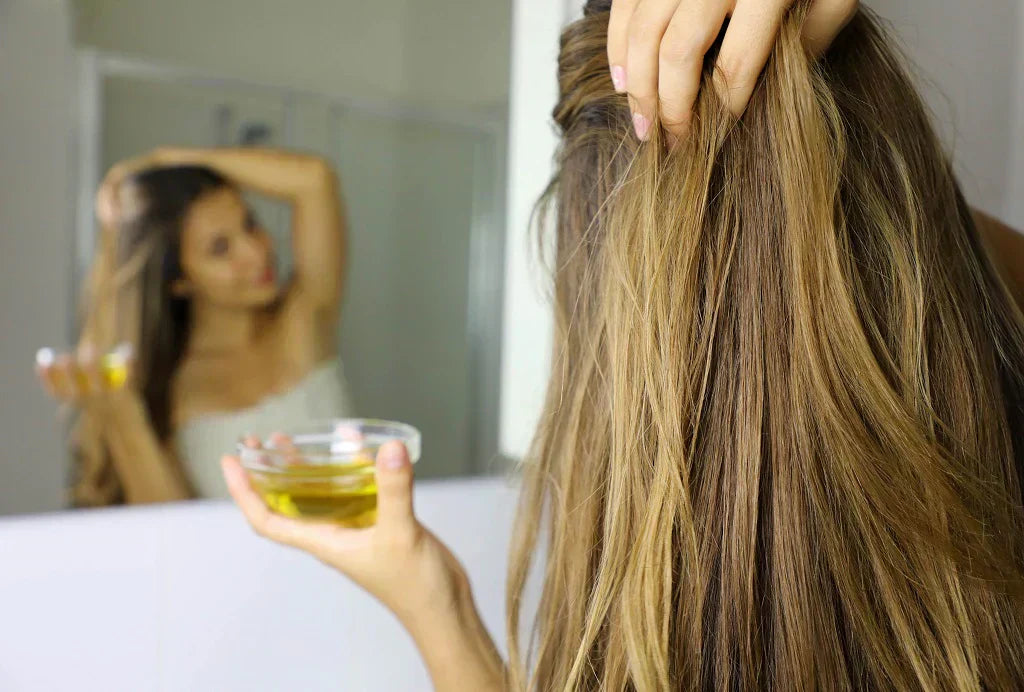
Hair oiling has been practiced for generations and continues to be popular.
Benefits
- Moisturizes hair
- Reduces protein loss
- Improves shine
- Protects against breakage
Popular oils include:
- Coconut oil
- Almond oil
- Argan oil
- Olive oil
- Castor oil
Massage oil gently into the scalp and leave it on for a few hours before washing.
Best Scalp Care Practices

Healthy hair begins with a healthy scalp.
Keep the Scalp Clean
A clean scalp minimizes dandruff and product buildup.
Exfoliate Occasionally
Scalp scrubs can remove dead skin cells and improve circulation.
Avoid Heavy Product Build-Up
Excess styling products can clog hair follicles and affect scalp health.
A balanced scalp-focused hair care routine for women supports stronger and healthier hair growth.
Managing Hair Fall Naturally
Hair fall is one of the most common concerns among women.
Common Causes
- Stress
- Hormonal changes
- Nutritional deficiencies
- Medical conditions
- Excessive styling
Helpful Solutions
- Improve diet quality
- Reduce stress levels
- Use gentle hair products
- Avoid tight hairstyles
Persistent hair loss should be evaluated by a healthcare professional.
Protecting Hair While Sleeping
Nighttime care is often overlooked.
Sleep on Silk or Satin
These materials create less friction compared to cotton pillowcases.
Tie Hair Loosely
A loose braid helps prevent tangles and breakage.
Avoid Sleeping with Wet Hair
Wet strands are more vulnerable to damage and breakage.
Including nighttime care in your hair care routine for women can significantly improve hair health over time.
Seasonal Hair Care Tips
Hair needs change throughout the year.
Summer
- Protect hair from UV exposure
- Use hydrating products
- Rinse after swimming
Winter
- Increase moisture treatments
- Avoid excessively hot showers
- Use leave-in conditioners
Monsoon
- Keep scalp dry
- Prevent fungal buildup
- Wash hair after getting caught in rain
Adapting your routine to seasonal changes helps maintain consistent results.
Common Hair Care Mistakes
Many women unknowingly damage their hair through daily habits.
Using Excessive Heat
High temperatures weaken hair structure over time.
Washing Too Frequently
This can strip essential oils from the scalp.
Ignoring Split Ends
Regular trims help maintain healthy-looking hair.
Overusing Chemical Treatments
Repeated coloring, bleaching, and relaxing can lead to significant damage.
Avoiding these mistakes strengthens any hair care routine for women and promotes healthier strands.
Foods That Support Healthy Hair
Nutrition plays a major role in hair health.
Protein Sources
Hair is primarily made of protein, making adequate intake essential.
Examples include:
- Eggs
- Fish
- Chicken
- Lentils
- Beans
Iron-Rich Foods
Iron deficiency may contribute to hair thinning.
Good sources include:
- Spinach
- Red meat
- Pumpkin seeds
Healthy Fats
Omega-3 fatty acids support scalp health.
Sources include:
- Salmon
- Walnuts
- Flaxseeds
DIY Hair Masks for Women
Natural hair masks can provide extra nourishment.
Coconut Oil and Honey Mask
Helps improve moisture and softness.
Yogurt and Aloe Vera Mask
Supports scalp hydration and reduces dryness.
Banana and Olive Oil Mask
Adds shine and helps manage frizz.
Use these masks once every week or two for best results.
Quick Hair Care
How Often Should Women Wash Their Hair?
Most women benefit from washing their hair two to three times per week, though frequency depends on scalp oil production and hair type.
What Is the Most Important Hair Care Step?
Consistent cleansing, conditioning, and scalp care are the most important components of a healthy hair routine.
Can Hair Oiling Reduce Breakage?
Yes. Proper oiling may reduce protein loss and improve hair flexibility, which can help minimize breakage.
Long-Term Hair Care Strategy

Healthy hair is rarely achieved through quick fixes. Consistency matters more than expensive products.
An effective hair care routine for women should include:
- Proper cleansing
- Regular conditioning
- Scalp maintenance
- Balanced nutrition
- Heat protection
- Routine trims
- Hydration
- Stress management
When practiced consistently, these habits contribute to stronger and healthier hair.
Frequently Asked Questions
1. What is the best hair care routine for women?
The best routine includes gentle cleansing, conditioning, scalp care, hydration, balanced nutrition, and protection from heat damage.
2. How often should women oil their hair?
Most women can oil their hair once or twice weekly depending on scalp condition and hair type.
3. Can a hair care routine improve hair growth?
A consistent hair care routine for women creates a healthier environment for growth by reducing breakage and supporting scalp health.
4. Which shampoo is best for daily use?
A mild sulfate-free shampoo is generally suitable for frequent use and helps maintain natural moisture.
5. How can I reduce frizz naturally?
Regular conditioning, hair serums, deep conditioning treatments, and avoiding excessive heat can help reduce frizz.
6. Is hair trimming necessary for growth?
Trimming does not directly increase growth speed but helps remove split ends and maintain healthier-looking hair.
7. What foods make hair stronger?
Protein-rich foods, iron-rich vegetables, nuts, seeds, fish, and eggs all contribute to stronger hair.
8. Why is scalp care important?
The scalp houses hair follicles. Keeping it healthy supports stronger hair and minimizes common issues like dandruff and irritation.
Conclusion
Healthy, beautiful hair doesn’t happen overnight. It is the result of consistent care, the right products, good nutrition, and habits that support both hair and scalp health. Every woman’s hair is unique, which is why understanding your specific hair type and concerns is essential for achieving the best results.
Creating a personalized hair care routine for women can help reduce common issues such as dryness, breakage, frizz, and hair fall while improving overall strength and shine. By following a balanced routine that includes proper cleansing, conditioning, hydration, and protection from damage, you can maintain healthier hair in the long run. Stay consistent, be patient, and your efforts will gradually lead to stronger, smoother, and more beautiful hair.
Read More:-Complete Hair Care Guide for Healthier, Stronger Hair Every Day

