
Introduction
Beautiful hair is often considered a reflection of overall health and self-care. While genetics play a role in determining hair texture and growth patterns, the way you care for your hair has a significant impact on its appearance and strength. Many women struggle with common hair concerns such as dryness, frizz, hair fall, dandruff, split ends, and lack of shine. Fortunately, adopting the right habits can transform the health of your hair over time.
A consistent hair care routine for women helps maintain scalp health, protect hair from damage, and support natural growth. Whether you have straight, wavy, curly, or coily hair, understanding your hair’s unique needs is the first step toward achieving stronger and healthier strands.
In this comprehensive guide, you’ll learn everything you need to know about building an effective hair care regimen, choosing suitable products, avoiding common mistakes, and maintaining gorgeous hair throughout the year.
Why Hair Care Matters
Hair is exposed to numerous environmental stressors every day. Pollution, sunlight, humidity, heat styling tools, and chemical treatments can weaken hair fibers over time. Without proper care, hair becomes more susceptible to breakage, dryness, and thinning.
A well-planned routine offers several benefits:
- Improves scalp health
- Reduces hair breakage
- Enhances shine and softness
- Supports healthy hair growth
- Prevents excessive dryness and frizz
- Protects against environmental damage
Consistent care is often more important than using expensive products.
Understanding Your Hair Type
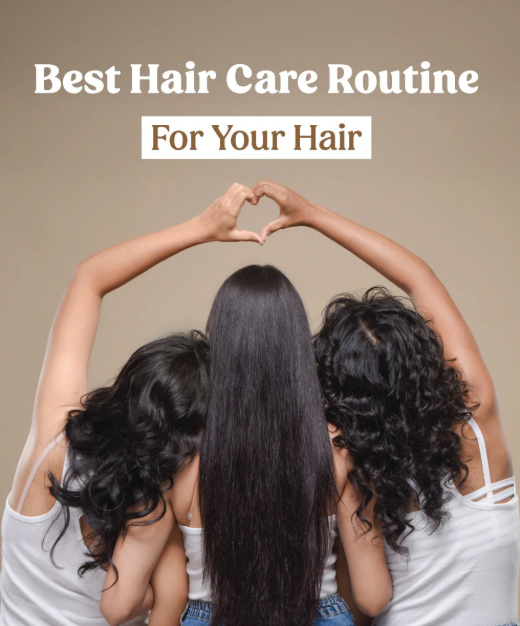
Before creating a routine, it’s important to identify your hair type. Different textures require different care methods.
| Hair Type | Characteristics | Care Needs |
|---|---|---|
| Straight Hair | Smooth and shiny | Lightweight products |
| Wavy Hair | Natural bends and waves | Hydration and frizz control |
| Curly Hair | Defined curls | Moisture-rich products |
| Coily Hair | Tight curls or coils | Deep conditioning and nourishment |
Knowing your hair type helps you choose products that work best for your specific needs.
Essential Daily Hair Care Steps
What are the basic steps of a healthy hair routine?
- Cleanse the scalp regularly.
- Use conditioner after shampooing.
- Apply leave-in protection when needed.
- Avoid excessive heat styling.
- Eat a balanced diet.
- Massage the scalp regularly.
- Protect hair while sleeping.
These simple habits create the foundation of a successful hair care routine for women.
Step 1: Keep Your Scalp Clean
Healthy hair starts with a healthy scalp. Dirt, sweat, excess oil, and product buildup can clog follicles and affect hair health.
The ideal washing frequency depends on your scalp type:
- Oily scalp: Every 2–3 days
- Normal scalp: 2–3 times weekly
- Dry scalp: 1–2 times weekly
Use a gentle shampoo that cleanses without stripping away natural oils. Focus shampoo on the scalp rather than the hair lengths.
When washing, use lukewarm water instead of hot water, as excessive heat can dry out both the scalp and hair.
Step 2: Never Skip Conditioner
Conditioner helps restore moisture lost during cleansing. It smooths the hair cuticle, reduces tangles, and improves manageability.
Apply conditioner mainly to the mid-lengths and ends rather than directly onto the scalp. Leave it on for a few minutes before rinsing thoroughly.
Regular conditioning is an essential part of any hair care routine for women because it helps prevent breakage and split ends.
Step 3: Deep Condition Weekly
Daily conditioners provide basic hydration, but deep conditioning treatments offer intensive nourishment.
Benefits include:
- Enhanced moisture retention
- Improved elasticity
- Reduced frizz
- Softer texture
- Stronger strands
Women with curly, damaged, or chemically treated hair may benefit from weekly deep conditioning sessions.
Look for ingredients such as:
- Argan oil
- Coconut oil
- Shea butter
- Aloe vera
- Keratin proteins
Step 4: Protect Hair from Heat Damage
Heat styling tools can create beautiful hairstyles, but frequent use often weakens hair over time.
Common heat tools include:
- Hair dryers
- Curling irons
- Flat irons
- Hot brushes
To minimize damage:
- Use heat protectant sprays.
- Choose lower temperature settings.
- Avoid daily heat styling.
- Allow hair to air dry when possible.
Protecting hair from excessive heat is one of the simplest ways to maintain long-term hair health.
Step 5: Oil Your Hair Correctly
Hair oiling has been practiced for generations and remains one of the most effective ways to nourish hair.
Popular oils include:
| Oil Type | Benefits |
|---|---|
| Coconut Oil | Reduces protein loss |
| Argan Oil | Adds shine and softness |
| Castor Oil | Supports scalp health |
| Almond Oil | Rich in vitamins |
| Jojoba Oil | Balances scalp moisture |
Massage oil gently into the scalp and lengths for 5–10 minutes. Leave it on for a few hours or overnight before washing.
Many women include oil treatments as part of their weekly hair care routine for women because they help improve moisture levels and scalp comfort.
Step 6: Eat for Healthy Hair
External products can only do so much. Nutrition plays a crucial role in hair health.
Hair requires vitamins, minerals, proteins, and healthy fats to grow properly.
Foods that support healthy hair include:
- Eggs
- Fish
- Nuts
- Seeds
- Leafy vegetables
- Berries
- Sweet potatoes
- Beans
Protein is especially important because hair is primarily made of keratin, a structural protein.
Drinking enough water also supports hydration from within.
Step 7: Handle Wet Hair Carefully
Wet hair is more fragile than dry hair. Rough handling can cause breakage and split ends.
Best practices include:
- Use a microfiber towel.
- Pat hair dry gently.
- Avoid vigorous rubbing.
- Use a wide-tooth comb.
- Detangle from the ends upward.
These habits significantly reduce unnecessary hair damage.
Step 8: Trim Hair Regularly
Many people avoid trims because they want longer hair. However, regular trimming actually supports healthier growth.
Benefits of trimming include:
- Removing split ends
- Preventing breakage
- Improving appearance
- Maintaining shape
A trim every 8–12 weeks is generally sufficient for most hair types.
Step 9: Protect Hair While Sleeping
Nighttime habits can affect hair condition more than many people realize.
Consider:
- Silk pillowcases
- Satin bonnets
- Loose braids
- Gentle scrunchies
These measures reduce friction, tangles, and breakage while you sleep.
Adding nighttime protection to your hair care routine for women can lead to noticeable improvements in hair texture over time.
Step 10: Avoid Overwashing
Overwashing strips natural oils from the scalp and hair.
Signs of overwashing include:
- Dryness
- Frizz
- Scalp irritation
- Increased oil production
Finding the right washing schedule helps maintain the natural balance of your scalp.
Common Hair Care Mistakes
Many women unknowingly damage their hair through everyday habits.
Using Too Much Product
Excess product can cause buildup and weigh hair down.
Frequent Chemical Treatments
Repeated coloring, bleaching, and relaxing may weaken hair fibers.
Tight Hairstyles
Constant tension from tight ponytails and braids can contribute to breakage.
Ignoring Scalp Health
A healthy scalp provides the foundation for healthy hair growth.
Avoiding these mistakes strengthens the effectiveness of your hair care routine for women.
Seasonal Hair Care Tips
Summer Hair Care
Summer heat and UV exposure can dry out hair.
Tips:
- Wear hats outdoors.
- Use UV-protective products.
- Increase hydration.
Winter Hair Care
Cold weather often causes dryness and static.
Tips:
- Deep condition regularly.
- Avoid very hot showers.
- Use moisturizing hair masks.
Monsoon Hair Care
Humidity can increase frizz and scalp issues.
Tips:
- Keep the scalp clean.
- Dry hair thoroughly.
- Use lightweight products.
Seasonal adjustments help maintain healthy hair throughout the year.
Natural Ingredients That Support Hair Health
Nature offers many ingredients known for their hair-friendly properties.
Aloe Vera
Hydrates the scalp and soothes irritation.
Coconut Oil
Helps reduce moisture loss and protein damage.
Fenugreek
Commonly used in homemade hair masks.
Hibiscus
Popular for strengthening and conditioning hair.
Green Tea
Contains antioxidants that support scalp wellness.
While natural ingredients can be beneficial, they should complement—not replace—a balanced hair care strategy.
Sample Weekly Hair Care Schedule
| Day | Activity |
|---|---|
| Monday | Shampoo and condition |
| Tuesday | Scalp massage |
| Wednesday | Leave-in treatment |
| Thursday | Protective hairstyle |
| Friday | Hair oil massage |
| Saturday | Deep conditioning mask |
| Sunday | Rest and gentle styling |
This schedule can be customized based on individual hair needs.
How Long Does It Take to See Results?
Hair care improvements don’t happen overnight.
Generally:
- Softer hair: 1–2 weeks
- Reduced breakage: 4–6 weeks
- Improved shine: 2–4 weeks
- Stronger strands: 2–3 months
- Noticeable growth improvements: 3–6 months
Consistency remains the key factor in achieving results.
Following a dedicated hair care routine for women over several months typically produces more visible improvements than frequently changing products.
Signs Your Hair Care Routine Is Working
You may notice:
- Less hair breakage
- Improved softness
- Increased shine
- Easier styling
- Reduced frizz
- Better scalp comfort
Healthy hair often becomes more manageable and resilient over time.
Building a Sustainable Routine
The best routine is one you can maintain consistently.
Keep these principles in mind:
- Use products suited to your hair type.
- Prioritize scalp health.
- Protect hair from heat.
- Stay hydrated.
- Eat nutrient-rich foods.
- Be patient with results.
A realistic and consistent hair care routine for women is far more effective than complicated regimens that are difficult to follow.
Frequently Asked Questions (FAQs)
How often should women wash their hair?
It depends on scalp type and lifestyle. Most women benefit from washing their hair two to three times per week.
Is oiling necessary for healthy hair?
Oiling is not mandatory, but it can help improve moisture retention and scalp comfort when done correctly.
Can hair grow faster with proper care?
Good hair care supports healthy growth conditions, although genetics largely determine growth speed.
Which shampoo is best?
The best shampoo depends on your hair type, scalp condition, and specific concerns such as dryness, dandruff, or oiliness.
Should conditioner be used every time?
Yes. Conditioner helps restore moisture and reduce damage after shampooing.
How can I reduce frizz naturally?
Regular conditioning, deep treatments, proper hydration, and avoiding excessive heat can help reduce frizz.
Are natural remedies better than commercial products?
Not necessarily. Both can be effective when chosen appropriately for your hair needs.
How long should I follow a routine before changing products?
Give products at least six to eight weeks before evaluating their effectiveness unless irritation occurs.
Conclusion
Healthy, beautiful hair is the result of consistent care rather than quick fixes. By understanding your hair type, maintaining scalp health, using nourishing products, and protecting your strands from damage, you can significantly improve hair quality over time. A balanced lifestyle, proper nutrition, and patience also play important roles in achieving long-lasting results.
Whether your goal is stronger hair, improved shine, reduced breakage, or better growth, following a thoughtful hair care routine for women can make a remarkable difference. Stay consistent, listen to your hair’s needs, and enjoy the journey toward healthier, more confident hair every day.
Read More:-Essential Tips for Healthier Hair and Better Daily Hair Growth

