
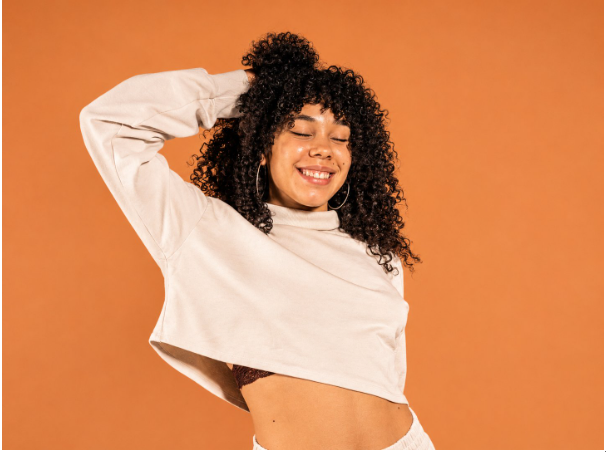
Getting a full, beautifully textured hairstyle should never mean sacrificing the health of your natural hair. For many Black women with 3C, 4A, 4B, and 4C textures, kinky hair bundles offer a convenient way to add volume, experiment with different looks, and give their own strands a break from everyday styling. Yet even hairstyles described as protective can cause breakage when installed too tightly, maintained poorly, or repeatedly styled with excessive heat. The challenge is finding a balance between achieving a natural-looking finish and keeping your hair healthy underneath. Fortunately, a few thoughtful styling decisions can make a noticeable difference. From selecting compatible textures and preparing your hair before installation to creating defined curls without constant manipulation, this guide explains practical ways to enjoy textured extensions while protecting your scalp, edges, and natural strands.
Choose Quality Kinky Hair Bundles That Complement Your Natural Texture
Natural textured hair comes in different curl patterns, densities, and levels of shrinkage, so choosing extensions that complement your own strands is an important first step. When searching for the Best Virgin Kinky Hair Bundles, consider how the curls will blend with your preferred hairstyle rather than focusing only on length or volume. A suitable texture can make styling easier and reduce the temptation to repeatedly straighten, stretch, or manipulate your natural leave-out.
Match the Curl Pattern and Density
Kinky curly extensions with 3B–3C patterns generally feature visible spirals, while tighter 4A–4C textures may have smaller coils, greater shrinkage, or less clearly defined curl patterns. These differences matter when your natural hair will remain exposed around a parting or hairline.
For instance, someone with tightly coiled 4C hair may find that a looser curly weave requires additional blending techniques. That does not make the texture unsuitable, but it may influence whether a leave-out sew-in, closure installation, or another styling method is preferable. The goal is a complementary finish, not an exact match between every strand.
Look for Quality Construction and Manageable Texture
Pay attention to weft construction, consistent curl distribution, and how the hair responds to gentle detangling. Securely constructed wefts and manageable density can make everyday maintenance less frustrating.
Product photographs rarely reveal how bundles behave after washing. Whenever possible, review realistic customer demonstrations showing the hair wet, dry, and detangled. Remember that textured extensions naturally require more careful handling than many straight styles, and some shedding during detangling does not automatically indicate poor quality.
Prepare Your Natural Hair Before Installing Kinky Bundles
A successful protective hairstyle begins before the first weft is attached. Installing extensions over tangled strands, product buildup, or an irritated scalp can make subsequent maintenance uncomfortable and increase the likelihood of breakage during removal.
Cleanse, Condition, and Detangle Thoroughly
Start with a gentle shampoo suited to your scalp and hair needs, followed by a conditioning treatment that improves manageability. Detangle carefully in sections, working from the ends toward the roots while supporting the hair with your free hand.
Allow your natural hair to dry adequately before braiding it into an installation foundation. Trapping excessive moisture beneath tightly covered braids can contribute to scalp discomfort and unpleasant odors, particularly when the foundation cannot dry easily.
Avoid Tight Braids and Excessive Scalp Tension
A common misunderstanding is that tighter foundation braids make extensions last longer. In practice, unnecessary tension can stress the scalp and hair follicles, particularly around the temples and hairline.
Choose comfortable cornrows that distribute the weight of the extensions evenly. If your stylist needs to pull aggressively to secure the installation, request an adjustment. Persistent pain, tenderness, or small bumps around the hairline are warning signs, not evidence of a professionally secured hairstyle.
Protect Your Edges and Leave-Out
Edges are especially vulnerable when repeatedly brushed, pulled, or secured beneath heavy styling products. Avoid positioning excessive extension weight directly along fragile areas, and select a parting arrangement that works with your current hair density.
If you leave natural hair exposed, consider how frequently you will need to manipulate it for blending. A well-planned installation should allow your natural texture to coexist with the extensions without requiring daily heat styling.
Style Virgin Kinky Hair Bundles Without Excessive Heat or Manipulation
One of the greatest advantages of textured extensions is the freedom to create attractive hairstyles without constantly reaching for hot tools. Whether you prefer defined curls, soft volume, or a slightly stretched finish, gentle techniques can help achieve the look while limiting unnecessary stress on your natural strands.
Create Defined Curls With Water-Based Styling Products
For curls that look dry or undefined, lightly mist the extensions with water and apply a modest amount of compatible leave-in conditioner or curl-defining product. Divide the hair into sections and gently finger-detangle before using a wide-tooth comb when needed.
Work from the ends upward, then scrunch or separate curls according to the desired finish. Avoid coating the bundles with several heavy creams and oils at once. Excessive product layering can attract buildup, reduce movement, and make subsequent detangling more difficult.
Try Twist-Outs, Braid-Outs, and Low-Manipulation Looks
Twist-outs and braid-outs are useful when you want to coordinate the appearance of your natural leave-out with your extensions. Instead of flat ironing exposed strands every morning, lightly moisturize and twist them into sections that complement the surrounding curls.
Allow the hair to dry completely before unraveling. Carefully separate the finished twists with your fingers to maintain definition without creating unnecessary frizz. Side parts, loose half-up arrangements, and softly shaped curly styles also offer variety without demanding constant restyling.
Avoid pulling the hair into tight ponytails or repeatedly brushing delicate edges into place. A hairstyle can appear polished without placing excessive stress on the hairline.
Consider Clip-Ins for Flexible Protective Styling
For women who enjoy wearing their natural coils between extension styles, kinky curly clip in hair extensions provide another option for creating temporary volume. Unlike sewn-in bundles, clip-ins can be removed after wear, making it easier to access your natural hair for cleansing, conditioning, and detangling.
However, removable extensions are not automatically damage-free. Repeatedly attaching clips to fragile strands, sleeping in them, or pulling heavily on the same sections can cause breakage. Change attachment positions when appropriate and remove each clip gently rather than dragging it through tangled hair.
Sew-ins may be more convenient for women who prefer a longer-wearing installation, while clip-ins offer flexibility for occasional styling. The healthier choice depends on how each method is installed, worn, and maintained.
Maintain Healthy Natural Hair Beneath Your Extensions
Protective styling should reduce unnecessary handling of natural hair, not eliminate its care routine. Your scalp still needs attention, and the strands beneath your extensions remain susceptible to dryness, tangling, and breakage.
Keep Your Scalp Clean and Comfortable
Maintain a cleansing routine based on your scalp’s needs, activity level, and installation type. If you exercise frequently or experience noticeable buildup, you may need to cleanse more regularly than someone with a less active routine.
Apply suitable cleansing products carefully between foundation braids, rinse thoroughly, and ensure both the extensions and underlying hair dry properly. Avoid relying on heavy oils to address every instance of itching, as buildup or irritation may require a different approach.
Minimize Friction and Prevent Excessive Tangling
At bedtime, loosely gather the extensions and cover them with a satin bonnet or use a satin pillowcase. Reducing friction can help preserve curl definition and limit unnecessary tangles.
When detangling, separate the hair into manageable sections and support each section near the attachment point. Textured bundles can interlock as curls wrap around one another, particularly around the nape. Gentle, regular maintenance is preferable to allowing large knots to develop and then pulling them apart aggressively.
Know When to Remove or Reinstall Your Bundles
There is no single installation duration suitable for everyone. Hair growth, scalp condition, braid tension, lifestyle, and the installation method all influence when extensions should be removed.
Persistent discomfort, heavy buildup, matting around the roots, or difficulty maintaining your natural hair indicate that an installation may need attention or removal. When taking down a sew-in, carefully identify the sewing thread before cutting. Never assume that everything beneath a weft is thread rather than your own hair.
Common Styling Mistakes That Can Damage Natural Hair
Even experienced extension wearers can develop habits that gradually place unnecessary stress on their natural strands. Recognizing these mistakes early makes it easier to maintain healthier styling practices.
- Installing overly tight braids: Excessive tension can contribute to breakage and traction-related hair loss. Foundation braids should feel secure without causing pain.
- Choosing excessively heavy bundles: Too much weight can strain delicate strands, especially around the edges and areas with lower density.
- Using excessive heat on leave-out: Repeated flat ironing to imitate a different curl pattern increases the risk of dryness and heat damage.
- Neglecting scalp cleansing: Wearing extensions does not prevent sweat, oil, and styling products from accumulating.
- Detangling aggressively: Pulling through stubborn knots can damage both the extensions and natural strands.
- Ignoring discomfort: Pain, irritation, or persistent scalp tenderness should be addressed promptly rather than tolerated until the next appointment.
- Rushing the removal process: Cutting sewing threads without clearly separating them from natural hair can cause avoidable damage.
The most important principle is that covering your hair does not automatically protect it. A hairstyle becomes genuinely protective when it minimizes tension and unnecessary manipulation while allowing consistent care of the natural hair underneath.
Conclusion
Virgin kinky hair bundles can provide beautiful volume, realistic texture, and styling freedom without requiring you to compromise your natural hair health. The key is approaching every stage thoughtfully, from selecting a complementary curl pattern to creating a comfortable installation and maintaining the hair beneath it. Gentle detangling, low-manipulation hairstyles, minimal heat, and regular scalp care all contribute to a healthier extension-wearing experience. Just as importantly, knowing when to adjust or remove a hairstyle can prevent avoidable damage. Whether you prefer full sew-ins or temporary textured extensions, remember that your natural hair deserves as much attention as the finished look. Beautiful styling and healthy natural strands can absolutely work together.

