
Introduction
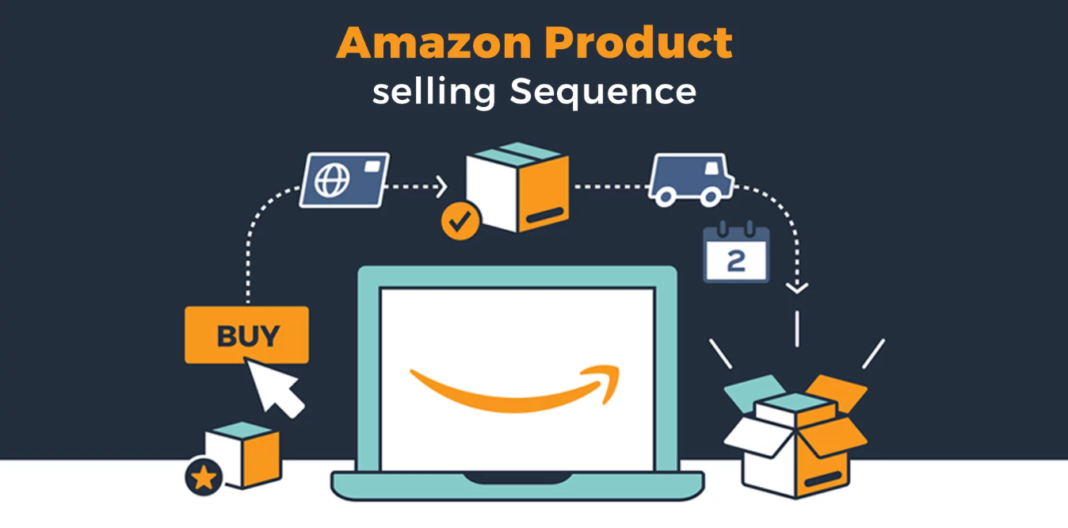
The world of eCommerce has transformed the way people earn money online, and Amazon stands at the center of this revolution. Millions of sellers are competing daily, yet countless beginners still wonder where to start and how to succeed. If you are planning to build an online income stream, understanding how to sell products on amazon is the first and most important step toward long-term success.
Amazon offers a powerful platform that allows anyone—from small business owners to complete beginners—to reach a global customer base. However, success does not happen by accident. It requires strategy, research, and consistent optimization. In this guide, you will learn a complete roadmap that covers everything from account creation to scaling a profitable store.
By the end of this article, you will have a clear understanding of how Amazon selling works and how to turn it into a sustainable income source.
Understanding the Amazon Marketplace Ecosystem
Amazon is more than just an online store; it is a massive ecosystem where buyers, sellers, and logistics come together. Before learning advanced strategies, it’s important to understand how the system works.
Amazon provides two major selling models: FBA (Fulfillment by Amazon) and FBM (Fulfillment by Merchant). In FBA, Amazon handles storage, packaging, and shipping, while in FBM, the seller manages everything independently.
To succeed in this marketplace, you must understand customer behavior, competition levels, and product demand. Every decision you make should align with data and profitability analysis.
Many beginners jump in without proper knowledge, which is why understanding how to sell products on amazon in a structured way is critical for long-term success.
Setting Up Your Amazon Seller Account Correctly
The first technical step is creating your Amazon Seller Central account. This is your control panel where you manage listings, inventory, and performance.
You need basic documents such as identity proof, bank account details, and tax information. Once registered, choose between an Individual or Professional account based on your business scale.
At this stage, it’s important to set up everything professionally because it affects your credibility. A properly optimized account helps you build trust with Amazon and customers alike.
Understanding how to sell products on amazon begins right here, because account setup determines your foundation for growth and scalability.
Finding the Right Products to Sell
Product research is the backbone of any successful Amazon business. Without the right product, even the best marketing will fail.
You should look for products that have high demand but relatively low competition. Tools like keyword research platforms, Amazon Best Sellers, and competitor analysis can help identify winning products.
You also need to evaluate profit margins, shipping costs, and seasonal demand before making a decision.
Learning how to sell products on amazon effectively means mastering product selection because it directly impacts your revenue and success rate.
Optimizing Product Listings for Maximum Visibility
Once your product is selected, the next step is creating an optimized listing. This includes writing a compelling title, bullet points, description, and using high-quality images.
Your product title should clearly describe what you are selling while including relevant keywords naturally. Images must be professional and show the product from multiple angles.
A well-optimized listing improves visibility in Amazon search results and increases conversion rates.
Many sellers fail at this stage because they don’t understand how to sell products on amazon using proper SEO techniques within the platform.
Pricing Strategy and Profit Optimization
Pricing plays a major role in attracting buyers. If your price is too high, customers will ignore you. If it’s too low, you lose profit.
You must calculate all costs including manufacturing, shipping, Amazon fees, and advertising before setting a price.
Dynamic pricing strategies can help you stay competitive while maintaining profit margins. Monitoring competitor prices regularly is also essential.
Table: Cost Breakdown for Amazon Sellers
| Cost Component | Description | Impact on Profit |
|---|---|---|
| Product Cost | Manufacturing or wholesale price | High |
| Amazon Fees | Referral and fulfillment charges | Medium |
| Shipping Costs | Delivery and logistics expenses | High |
| Advertising Spend | PPC and promotions | Medium to High |
| Packaging | Branding and packaging materials | Low to Medium |
This table helps sellers understand where their money goes and how to optimize expenses for better profitability.
Driving Traffic with Amazon SEO and Ads
Amazon is a search-driven platform, meaning visibility depends heavily on SEO and advertising. You need to optimize your listings with relevant keywords and run PPC campaigns to increase traffic.
Sponsored ads help you appear in top search results, especially for new products with low organic ranking.
Understanding how to sell products on amazon includes mastering both organic and paid traffic strategies for consistent sales growth.
Building Customer Trust and Reviews
Customer reviews are one of the most important ranking factors on Amazon. Positive reviews build trust and increase conversions.
You should focus on delivering high-quality products, fast shipping, and excellent customer service.
Encouraging satisfied customers to leave reviews can significantly improve your product ranking.
Trust is a key factor in understanding how to sell products on amazon successfully in a competitive marketplace.
Scaling Your Amazon Business
Once you start generating consistent sales, the next step is scaling. This involves expanding your product line, improving branding, and automating processes.
You can also explore international marketplaces to reach a wider audience. Hiring virtual assistants or using automation tools can help manage operations efficiently.
Scaling requires patience and reinvestment of profits into advertising and inventory.
Key Takeaways
- Amazon is a competitive but highly profitable platform
- Product research determines long-term success
- Listing optimization improves visibility and conversions
- Pricing strategy directly impacts profitability
- Reviews and customer trust are critical for ranking
- Scaling requires reinvestment and automation
Frequently Asked Questions (FAQs)
1. What is the best way to start an Amazon business?
The best way is to start with product research, followed by account setup and listing optimization. Many beginners begin by learning how to sell products on amazon before investing heavily.
2. Do I need a business license to sell on Amazon?
In most cases, yes. A business license helps you operate legally and build trust with customers and Amazon itself.
3. How much money do I need to start?
You can start with a few hundred dollars, but it depends on your product category and business model.
4. Is Amazon FBA better than FBM?
FBA is easier for beginners because Amazon handles logistics, while FBM gives you more control over operations.
5. How long does it take to get sales?
It usually takes a few weeks to a few months depending on product demand and marketing efforts.
6. Can I do this business part-time?
Yes, many sellers start part-time and scale gradually.
7. What is the biggest mistake beginners make?
Most beginners fail because they don’t properly understand how to sell products on amazon before launching their store.
Conclusion
Building a successful Amazon business is not about luck—it’s about strategy, consistency, and execution. From choosing the right product to optimizing listings and scaling operations, every step plays a crucial role in your success journey.
If you are serious about eCommerce, now is the perfect time to act. The opportunity is massive, but only those who apply the right methods will succeed. Understanding how to sell products on amazon gives you a strong foundation, but execution is what turns knowledge into profit.
Start small, learn continuously, and scale smartly. Over time, your Amazon business can become a powerful source of income and financial freedom.

