
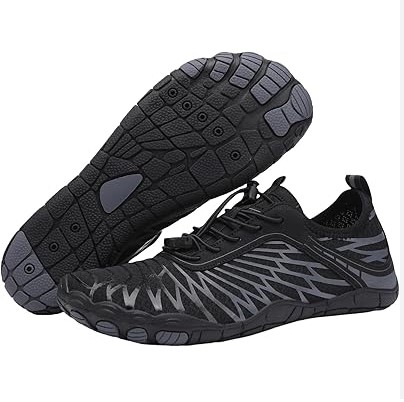
1. What are grounded footwear?
Grounded footwear are shoes designed to mimic barefoot walking by allowing direct contact with the earth’s natural energy through conductive materials. They support natural foot movement while promoting balance and posture.
2. Best grounded footwear
The best grounded footwear combine thin soles, conductive outsoles, and ergonomic design. Look for brands offering barefoot-style shoes with flexibility, durability, and proper foot alignment support.
3. How to choose grounded footwear
Choose grounded footwear based on comfort, sole thickness, material conductivity, and foot shape compatibility. Prioritize flexible soles, breathable materials, and natural foot alignment.
INTRODUCTION
Have you ever wondered why walking barefoot on grass or sand feels so refreshing and calming? That natural connection with the earth is something modern footwear has largely taken away. In a world dominated by thick soles, synthetic materials, and rigid designs, many people are rediscovering the benefits of going back to basics.
This is where grounded footwear steps in. Designed to replicate the sensation of barefoot walking while still offering protection, these shoes aim to restore natural movement, improve posture, and enhance overall well-being. With growing awareness around foot health, balance, and lifestyle diseases, more individuals are turning toward minimalist and grounding-based solutions.
The importance of proper footwear goes beyond comfort—it directly impacts posture, joint health, and even energy levels. Whether you’re an athlete, a fitness enthusiast, or someone dealing with foot discomfort, understanding how grounding technology works can transform the way you walk and live.
QUICK SUMMARY
- Mimics barefoot walking while protecting your feet
- Supports natural alignment and posture
- Uses conductive materials for earth connection
- Ideal for everyday wear, walking, and light workouts
Understanding the Concept of Grounded Footwear
Grounded footwear is built on the principle of “earthing,” which suggests that direct contact with the earth can have positive effects on the human body. Traditional shoes act as insulators due to rubber and synthetic materials, but grounding shoes use conductive elements like carbon or copper to allow subtle energy transfer.
This concept aligns with the growing popularity of barefoot shoes, which emphasize flexibility, thin soles, and natural foot positioning. By combining grounding technology with barefoot design, these shoes aim to restore the foot’s natural biomechanics.
Over time, research and user experiences have suggested improvements in balance, reduced inflammation, and better sleep patterns. While scientific evidence is still evolving, the rising demand reflects a strong shift toward natural health practices.
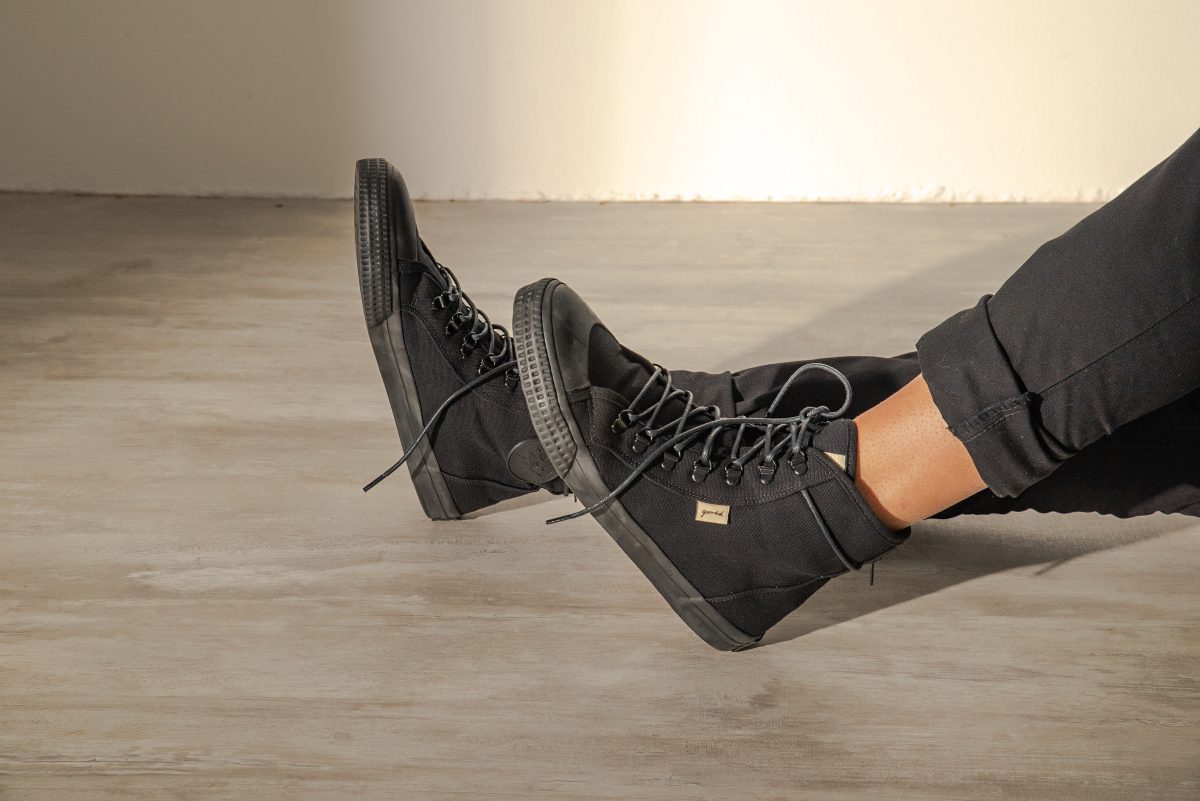
Benefits of Wearing Grounded Footwear
The benefits of wearing grounded footwear go beyond just physical comfort. These shoes are designed to support holistic well-being by reconnecting the body with natural movement patterns.
One major advantage is improved posture. Modern shoes often alter the way we walk, leading to misalignment and joint strain. Grounding shoes encourage a more natural gait, reducing stress on knees and hips.
Another key benefit is enhanced sensory feedback. Thin soles allow your feet to “feel” the ground, improving balance and coordination. This is especially useful for athletes and individuals recovering from injuries.
Additionally, users report reduced fatigue and better energy levels. A small study suggests that grounding may help reduce cortisol levels, contributing to stress relief and improved sleep quality.
Types of Grounded Footwear Available
There are various types of grounding shoes designed for different lifestyles and activities. Choosing the right type depends on your daily needs and preferences.
Casual Grounding Shoes
These are ideal for everyday wear, offering comfort and style while maintaining grounding properties. They are lightweight, breathable, and suitable for long walks.
Athletic Grounding Shoes
Designed for performance, these shoes provide flexibility and grip while supporting natural foot mechanics. They are perfect for running, gym workouts, and outdoor training.
Sandals and Minimalist Options
These offer maximum grounding effect due to minimal material coverage. They are ideal for warm climates and casual use.
Key Features to Look For
When selecting grounding shoes, it’s important to evaluate specific features that ensure both comfort and effectiveness.
| Feature | Importance |
|---|---|
| Thin sole | Enhances ground feedback |
| Conductive material | Enables grounding effect |
| Flexibility | Supports natural movement |
| Breathability | Keeps feet comfortable |
| Wide toe box | Allows natural toe spread |
These features work together to improve foot strength, posture, and overall walking experience.
Pros and Cons
Pros:
- Improves posture and alignment
- Enhances balance and coordination
- Encourages natural walking style
- Lightweight and comfortable
Cons:
- Adjustment period required
- Not ideal for extreme terrains
- Limited cushioning compared to traditional shoes
Real-Life Example
Consider someone who spends long hours standing or walking, such as a retail worker. Traditional cushioned shoes may initially feel comfortable but can lead to foot fatigue over time. Switching to grounding-style footwear helps strengthen foot muscles and improves endurance.
Many users report that after a few weeks, they experience less back pain and improved posture. This gradual adaptation highlights the importance of transitioning slowly.
Expert Tips
- Start wearing them for short durations initially
- Walk on natural surfaces like grass or sand
- Focus on proper walking posture
- Choose the right size with a wide toe box
Common Mistakes to Avoid
- Switching too quickly from cushioned shoes
- Ignoring foot discomfort during transition
- Choosing style over functionality
- Wearing them on rough terrain too soon
Who Should Use This
Grounding shoes are suitable for a wide range of individuals. If you’re someone who values natural movement, improved posture, and holistic health, these shoes can be a great addition to your lifestyle.
They are particularly beneficial for athletes, fitness enthusiasts, and individuals dealing with foot pain or posture-related issues. Even people working desk jobs can benefit by improving circulation and reducing fatigue through occasional use.

FAQs
Are grounded footwear safe for daily use?
Yes, grounded footwear are safe when used correctly. Start slowly and allow your feet to adapt to the new walking style.
Do they really improve posture?
They promote natural alignment, which can lead to better posture over time.
Can beginners use them?
Absolutely. Beginners should ease into usage to avoid strain.
Are they suitable for running?
Yes, but only after your feet have adapted to minimalist movement.
Summary Recap
Grounding shoes represent a shift toward natural movement and holistic health. By combining barefoot design with conductive technology, they offer benefits like improved posture, better balance, and enhanced comfort. While they require an adjustment period, their long-term advantages make them a valuable investment for many individuals.
Conclusion
In a world where convenience often overshadows health, grounded footwear offers a refreshing return to nature. By reconnecting your body with the earth and encouraging natural movement, these shoes can transform not just how you walk—but how you feel every day. Whether you’re seeking comfort, balance, or a healthier lifestyle, making the switch could be a step in the right direction.
Read More:-Famous Footwear Credit Card: Benefits, Rewards & Review

