
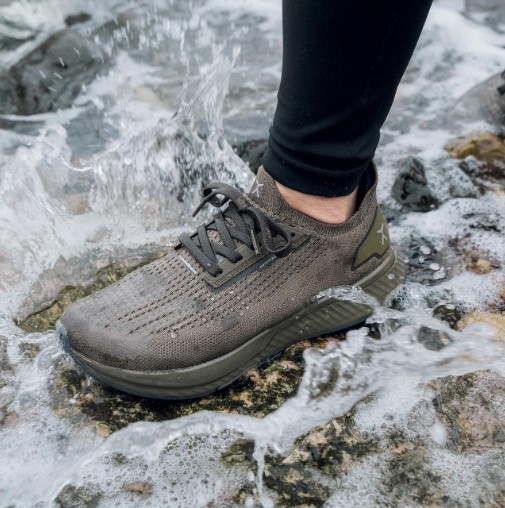
1. What are flux footwear?
Flux footwear refers to modern, ergonomically designed shoes that focus on comfort, flexibility, and performance. They often feature lightweight materials, breathable design, and adaptive cushioning for daily wear or athletic use.
2. Best flux footwear
The best flux footwear combines durability, arch support, and responsive cushioning. Look for models with breathable mesh, anti-slip soles, and shock absorption for all-day comfort.
3. How to choose flux footwear
Choose based on your activity, foot type, and comfort needs. Prioritize proper fit, flexible soles, cushioning technology, and breathable materials for optimal performance.
Introduction
Have you ever worn shoes that looked great but left your feet aching by the end of the day? Foot discomfort is a common problem, especially for people who spend long hours standing, walking, or engaging in physical activities. The right footwear can make a huge difference—not just in comfort, but also in posture, performance, and overall health.
That’s where flux footwear comes into the spotlight. Designed with modern technology and user comfort in mind, this category of shoes is gaining attention for its ability to balance style and functionality. Whether you’re an athlete, a casual walker, or someone who values everyday comfort, these shoes aim to meet diverse needs.
In today’s fast-paced lifestyle, investing in high-quality footwear is no longer optional—it’s essential. With innovations like shock absorption, breathable mesh, and ergonomic design, this type of footwear is redefining how we experience daily movement.
Quick Summary
- Designed for comfort, flexibility, and performance
- Ideal for daily wear, workouts, and long walks
- Features include breathable materials and cushioning
- Helps improve posture and reduce foot fatigue
Understanding Flux Footwear
What Makes It Unique?
Flux footwear stands out due to its focus on ergonomic support and modern materials. Unlike traditional shoes, these are built to adapt to your foot’s natural movement. Features like flexible soles, lightweight construction, and breathable mesh enhance overall comfort.
The use of advanced cushioning systems ensures better shock absorption, reducing stress on joints during walking or running. This makes them particularly beneficial for individuals who spend long hours on their feet.

Key Features to Look For
When evaluating this type of footwear, consider aspects like arch support, sole flexibility, and material quality. Breathability is crucial to prevent moisture buildup, while a durable outsole ensures longevity.
Many designs also incorporate anti-slip technology, making them suitable for various terrains and weather conditions.
Benefits of Wearing Flux Footwear
One of the biggest advantages is enhanced comfort. Thanks to ergonomic design and responsive cushioning, users often experience reduced foot fatigue even after extended use.
Another benefit is improved posture. Proper arch support helps align the body, reducing strain on the back and knees. Additionally, lightweight materials make movement effortless, whether you’re walking, running, or standing for long hours.
A study in footwear ergonomics suggests that well-cushioned shoes can reduce impact force by up to 30%, highlighting the importance of proper shoe design.
Types of Flux Footwear
Casual Wear
These are designed for everyday use, offering a balance between style and comfort. They typically feature breathable uppers and soft cushioning, making them ideal for daily errands or office wear.
Athletic Performance
Performance-focused designs are tailored for running, training, or sports activities. They often include enhanced grip, shock absorption, and flexible soles to support dynamic movements.
Outdoor & Travel
Built for durability, these options provide better traction and weather resistance. They are perfect for hiking, traveling, or exploring uneven terrains.
Comparison Table
| Feature | Casual Models | Athletic Models | Outdoor Models |
|---|---|---|---|
| Comfort Level | High | Very High | Moderate |
| Durability | Medium | High | Very High |
| Breathability | High | High | Medium |
| Sole Flexibility | Moderate | High | Low |
| Best Use | Daily Wear | Sports/Workout | Travel/Hiking |
Real-Life Example
Consider someone working in retail who spends 8–10 hours standing daily. Switching to ergonomically designed footwear significantly reduces foot pain and fatigue. Many users report feeling less exhausted and more productive after making the change.
Similarly, fitness enthusiasts notice improved performance due to better grip and shock absorption, especially during high-impact workouts.
Pros and Cons
Pros:
- Excellent comfort and cushioning
- Lightweight and breathable design
- Supports posture and reduces fatigue
- Versatile for multiple activities
Cons:
- May be slightly expensive
- Not all models suit extreme terrains
- Requires proper sizing for best results
Expert Tips
- Always try shoes at the end of the day when feet are slightly swollen
- Check arch support based on your foot type
- Prioritize breathable materials for long wear
- Replace shoes every 6–12 months depending on usage
Common Mistakes to Avoid
- Choosing style over comfort
- Ignoring proper fit and size
- Not considering activity type
- Wearing worn-out shoes too long
Who Should Use This Footwear?
This type of footwear is ideal for a wide range of users. Office workers, athletes, travelers, and even seniors can benefit from the comfort and support it offers. Anyone experiencing foot fatigue, joint discomfort, or posture issues can see noticeable improvements.
It is especially useful for people with active lifestyles who need reliable and comfortable footwear throughout the day.
How to Choose the Right Pair
Selecting the right pair involves understanding your needs. Start by identifying your primary use—whether it’s casual wear, sports, or outdoor activities. Then evaluate features like cushioning, sole flexibility, and breathability.
Pay attention to fit and sizing, as improper fit can negate all the benefits. Trying multiple options and walking around in them can help ensure the right choice.

FAQs
1. What makes flux footwear different from regular shoes?
They focus on ergonomic design, flexibility, and cushioning, providing better comfort and support compared to traditional shoes.
2. Can I use them for workouts?
Yes, athletic models are specifically designed for gym sessions, running, and training.
3. Are they suitable for people with flat feet?
Many designs include arch support, making them suitable for various foot types, including flat feet.
4. How do I maintain them?
Clean regularly, avoid excessive moisture, and store them in a dry place to extend their lifespan.
5. Are they worth the investment?
Considering comfort, durability, and health benefits, they offer great value for money.
Summary Recap
Flux footwear represents a modern approach to shoe design, combining comfort, performance, and style. With features like breathable materials, shock absorption, and ergonomic support, it caters to a wide range of users. Whether for daily wear or athletic activities, choosing the right pair can significantly improve comfort and overall well-being.
Conclusion
In a world where we’re constantly on our feet, investing in the right footwear is one of the smartest decisions you can make. Flux footwear offers a perfect blend of innovation and comfort, helping you move better, feel better, and perform better every day. Choose wisely, prioritize comfort, and your feet will thank you in the long run.
Read More:-Kane Footwear Review: Comfort, Style, and Performance Guide

