
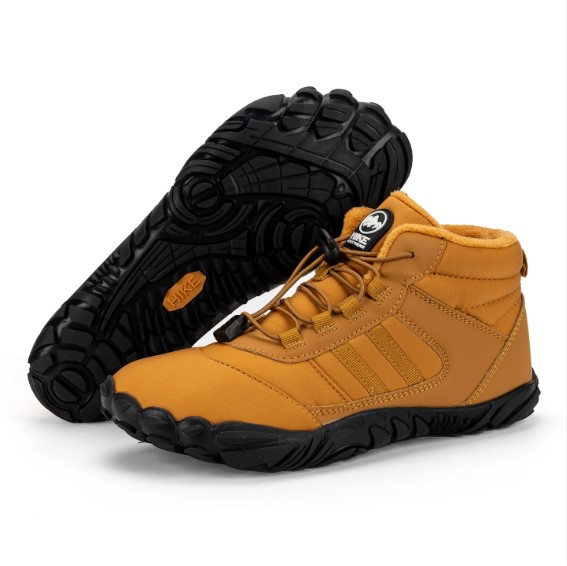
1. What are hike footwear?
Hike footwear refers to specially designed shoes or boots built for outdoor trails, offering grip, support, and durability. They protect your feet on uneven terrain while improving comfort during long hikes.
2. Best hike footwear
The best hike footwear depends on terrain and comfort needs, but top options include lightweight hiking shoes, waterproof boots, and trail runners with strong traction and cushioning.
3. How to choose hike footwear
Choose based on terrain, fit, material, and support. Look for breathable fabric, proper ankle support, and durable soles to ensure safety and comfort on trails.
Introduction
Have you ever started a hike feeling excited, only to end it with sore feet, blisters, or discomfort? The truth is, the wrong shoes can completely ruin an outdoor adventure. Whether you’re exploring rugged mountain trails or enjoying a peaceful forest walk, your footwear plays a crucial role in your overall experience.
Outdoor activities are becoming increasingly popular, with millions of people worldwide embracing hiking for fitness and mental wellness. However, many beginners overlook one critical factor—proper footwear. Investing in the right hiking shoes or boots can make the difference between an enjoyable journey and a painful one.
This guide will help you understand everything about choosing the right footwear for hiking, ensuring comfort, durability, and performance on every trail you take.
Quick Summary
- Proper footwear improves comfort, stability, and safety during hikes
- Choose based on terrain, weather, and personal fit
- Materials, grip, and cushioning are key decision factors
- Investing in quality footwear prevents injuries and fatigue
Understanding Hike Footwear
Hike footwear is specifically designed to handle rough terrains, provide stability, and protect your feet from environmental elements. Unlike regular sports shoes, these are built with rugged soles, enhanced grip, and supportive structures that adapt to uneven surfaces.
Modern hiking shoes incorporate advanced features such as shock absorption, waterproof membranes, and breathable mesh. These elements work together to reduce strain, prevent slipping, and keep your feet comfortable throughout long treks. Choosing the right type depends on the intensity and duration of your hike.

Types of Hiking Footwear
Lightweight Hiking Shoes
These are ideal for day hikes and easy trails. They resemble running shoes but offer better traction and durability. Lightweight shoes are perfect for beginners who prefer flexibility and comfort over heavy protection.
Hiking Boots
Hiking boots provide ankle support and are suitable for rough terrains and long-distance trekking. They are typically made with sturdy materials and thicker soles, making them ideal for carrying heavy backpacks.
Trail Running Shoes
Trail runners are gaining popularity among hikers who prioritize speed and agility. They are lightweight, breathable, and offer excellent grip, making them suitable for well-maintained trails.
Key Features to Look For
Material and Durability
High-quality materials like leather and synthetic blends ensure durability and resistance to wear and tear. Waterproof membranes help keep your feet dry in wet conditions.
Traction and Grip
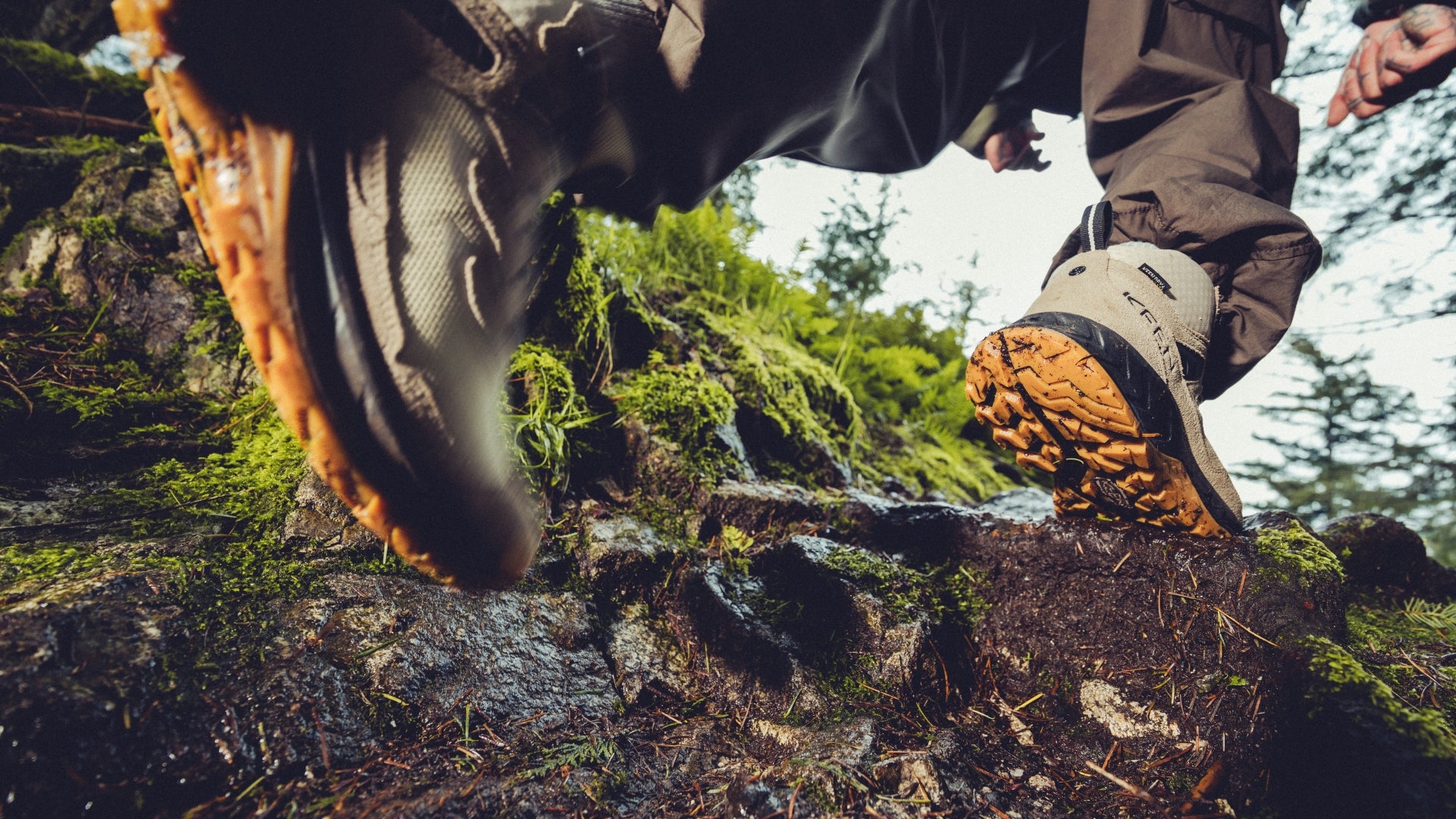
A strong outsole with deep lugs provides better grip on slippery or uneven surfaces. This is especially important for mountain trails and rocky terrains.
Comfort and Fit
Proper fit is crucial to avoid blisters and discomfort. Look for cushioned insoles, breathable fabric, and adequate toe space for long hikes.
Comparison Table: Types of Hiking Footwear
| Type | Best For | Weight | Support Level | Durability |
|---|---|---|---|---|
| Hiking Shoes | Easy trails | Lightweight | Medium | Moderate |
| Hiking Boots | Rough terrains | Heavy | High | High |
| Trail Running Shoes | Fast hiking | Very Light | Low-Medium | Moderate |
Real-Life Example
Imagine planning a weekend trek in the hills. You decide to wear your regular sneakers instead of proper hiking shoes. Within a few hours, the lack of grip causes slips, and the thin soles lead to foot fatigue. Now compare that with wearing specialized hiking footwear—better traction, reduced fatigue, and a more enjoyable experience overall.
This simple choice can significantly impact your hiking journey.
Pros & Cons
Pros:
- Enhanced grip and stability
- Improved comfort for long walks
- Protection against rough terrain
- Reduced risk of injuries
Cons:
- Can be expensive
- May require break-in period
- Heavier than regular shoes
Expert Tips for Better Hiking Experience
- Always try footwear with hiking socks for accurate fit
- Break in your shoes before long hikes
- Choose breathable materials for hot climates
- Check sole grip for different terrains
Common Mistakes to Avoid
- Buying shoes without testing fit properly
- Ignoring terrain-specific requirements
- Choosing style over functionality
- Not considering weather conditions
Who Should Use This
Hike footwear is ideal for outdoor enthusiasts, trekkers, campers, and even casual walkers who explore nature trails. Whether you’re a beginner or an experienced hiker, the right footwear ensures safety and comfort. Even fitness lovers who enjoy long walks can benefit from specialized hiking shoes.
According to outdoor industry insights, nearly 65% of hiking injuries are linked to improper footwear choices. This highlights how crucial it is to invest in the right pair.
FAQs
1. How do I know if my hike footwear fits properly?
Your toes should have enough space, and there should be no tight pressure points. A snug heel fit prevents slipping.
2. Are expensive hiking shoes worth it?
Yes, they often provide better durability, comfort, and safety features compared to cheaper options.
3. Can beginners use lightweight hiking shoes?
Absolutely, they are perfect for beginners and short-distance hikes.
4. How often should I replace hiking shoes?
Replace them when the sole loses grip or cushioning wears out, typically after heavy use.
5. Do I need different shoes for different terrains?
Yes, rocky, muddy, and snowy terrains require different features for optimal performance.
Summary Recap
Choosing the right hiking footwear is essential for a safe and enjoyable outdoor experience. From understanding different types to focusing on features like grip, comfort, and durability, every factor plays a role in enhancing your journey. Avoid common mistakes, follow expert tips, and always prioritize fit and functionality over style.
Conclusion
In the end, the right hike footwear is more than just a piece of gear—it’s your foundation for every adventure. Whether you’re exploring local trails or conquering challenging terrains, investing in quality footwear ensures comfort, safety, and confidence. Make a smart choice today, and every step you take outdoors will feel lighter, stronger, and more enjoyable.
Read More:- Famous Footwear: Style, Comfort, and Affordable Trends Guide

